
What is Kunisaki?
Just an hour’s drive from Beppu, Japan’s most famous hot spring resort, the Kunisaki Peninsula offers a peaceful escape into Japan’s spiritual heartland. For centuries, it has been a crossroads of cultures, where rice farming, Buddhism, and other traditions from abroad blended with local beliefs.
Today, you can wander among ancient temples, stone Buddhas, and quiet villages that reflect the harmony of Shinto, Buddhism, and unique local customs. Even the “oni” (Japanese Demon) often feared elsewhere, are embraced here as gentle protectors.
The 135 km Kunisaki Long Trail traces the paths once walked by monks, inviting travelers to experience forest walks, rural landscapes, and sacred mountains at an unhurried pace. More than sightseeing, it is a place to enjoy the rhythms of culture, nature, and everyday life.
-
Breathe Abundant Nature
The Kunisaki Peninsula’s steep volcanic terrain supports a unique, sustainable system of agriculture and water management, designated as a Globally Important Agricultural Heritage site.
The area is also renowned for hot springs, with Beppu boasting the world’s largest number of sources. -
Where Past Meets Present
The Kunisaki Peninsula preserves a rich cultural heritage, with Usa Shrine at its heart fostering the unique ShinbutsuShūgō (fusion of Buddhism and Shinto).
Castle towns like Nakatsu, Kitsuki, and Hiji retain their historic cores, while Beppu, a world-class hot spring hub, still showcases traditional alleys and bathhouse culture. -
Taste the Sea, Savor the Land
Facing the Seto Inland Sea, the Kunisaki Peninsula offers abundant seafood-Nakatsu for conger pike, Himeshima for tiger prawns, and Hiji for Shiroshita flounder.
The region is also famed for Oita specialties like tori-ten and kara-age, while Beppu preserves the unique hot spring cooking tradition of jigoku-mushi (“hell-steaming”).
Breathe Abundant Nature
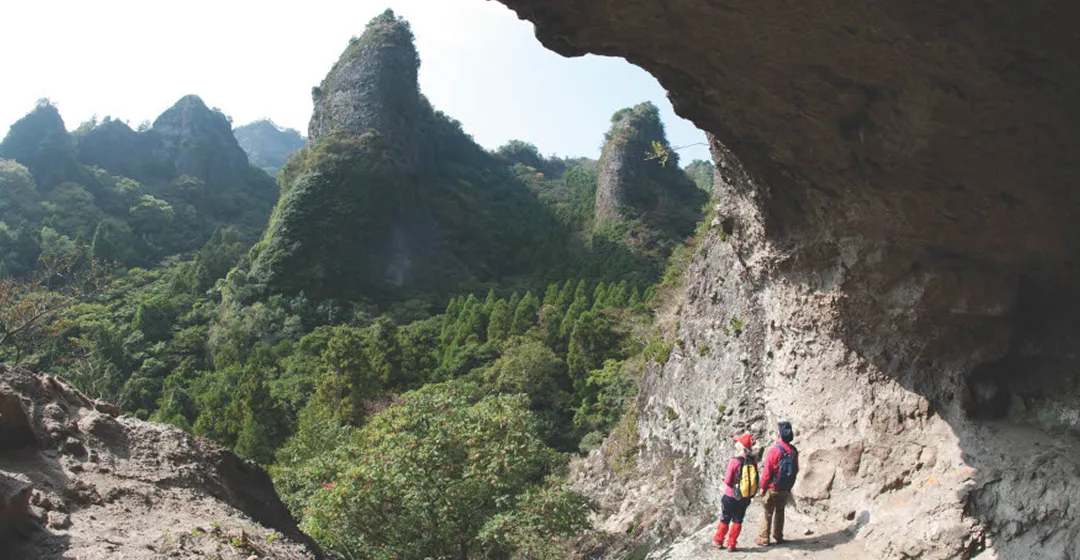
The Kunisaki Peninsula, shaped by ancient volcanic activity, is defined by steep mountains, porous volcanic soil, and countless ponds scattered across oak forests. Over centuries, people have nurtured a distinctive and sustainable system of agriculture, forestry, and water management that lives in harmony with this rugged landscape. This rare balance between human life and nature has been recognized internationally as a Globally Important Agricultural Heritage System.
The peninsula is also blessed with abundant water. Beppu, located on its southern edge, is one of the world’s premier hot spring resorts, boasting the largest number of hot spring sources anywhere on Earth. Its waters vary dramatically in color and mineral composition, creating a bathing culture unique to the region. Beyond relaxation, the hot springs have fostered therapeutic practices and community traditions for centuries, making Beppu a place where the forces of nature and daily life are inseparably intertwined.
You can also experience this natural richness firsthand—whether trekking through the Kunisaki Hantou Minemichi Long Trail, a 135 km pilgrimage route once walked by ascetic monks, cycling along coastal routes, or exploring the mythic island of Himeshima, where satoyama countryside, coastal scenery, and island life remain largely unchanged for generations.

Where Past Meets Present
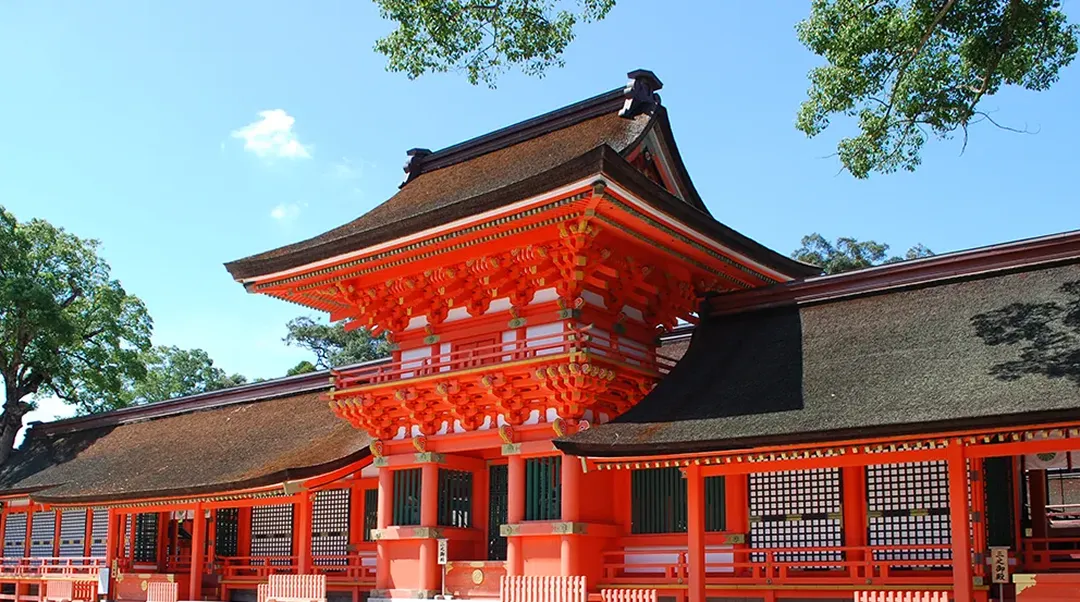
For over a thousand years, the Kunisaki Peninsula has been a crossroads of civilizations, where ideas and beliefs from China, Korea, and Southeast Asia met and blended with Japan’s own traditions. At the heart of this exchange lies Usa Jingu Shrine, a sacred site where Shinto and Buddhism merged into a unique syncretic faith known as Shinbutsu Shugo. This fusion, known as the Rokugo Manzan culture, spread across the peninsula and can still be felt in the dense network of temples, stone Buddhas, and sacred caves carved into cliffs and giant rocks.
Kunisaki’s castle towns—Nakatsu, Kitsuki, and Hiji—retain their historic street grids and samurai residences, offering a living glimpse of Edo-period Japan. Meanwhile, Beppu tells another story: though devastated during wartime, its winding back alleys, communal bathhouses, and vibrant hot-spring culture survived, preserving an atmosphere that blends nostalgia with resilience.
The peninsula is also home to legends and spiritual traditions unique to this region. Ogres, typically feared in Japan, are here regarded as guardians and bringers of good fortune. Even today, festivals, stone carvings, and rituals honor this spiritual diversity, reminding you that Kunisaki is more than a destination—it is a living landscape of beliefs, where the past continues to shape the present.
Taste the Sea, Savor the Land
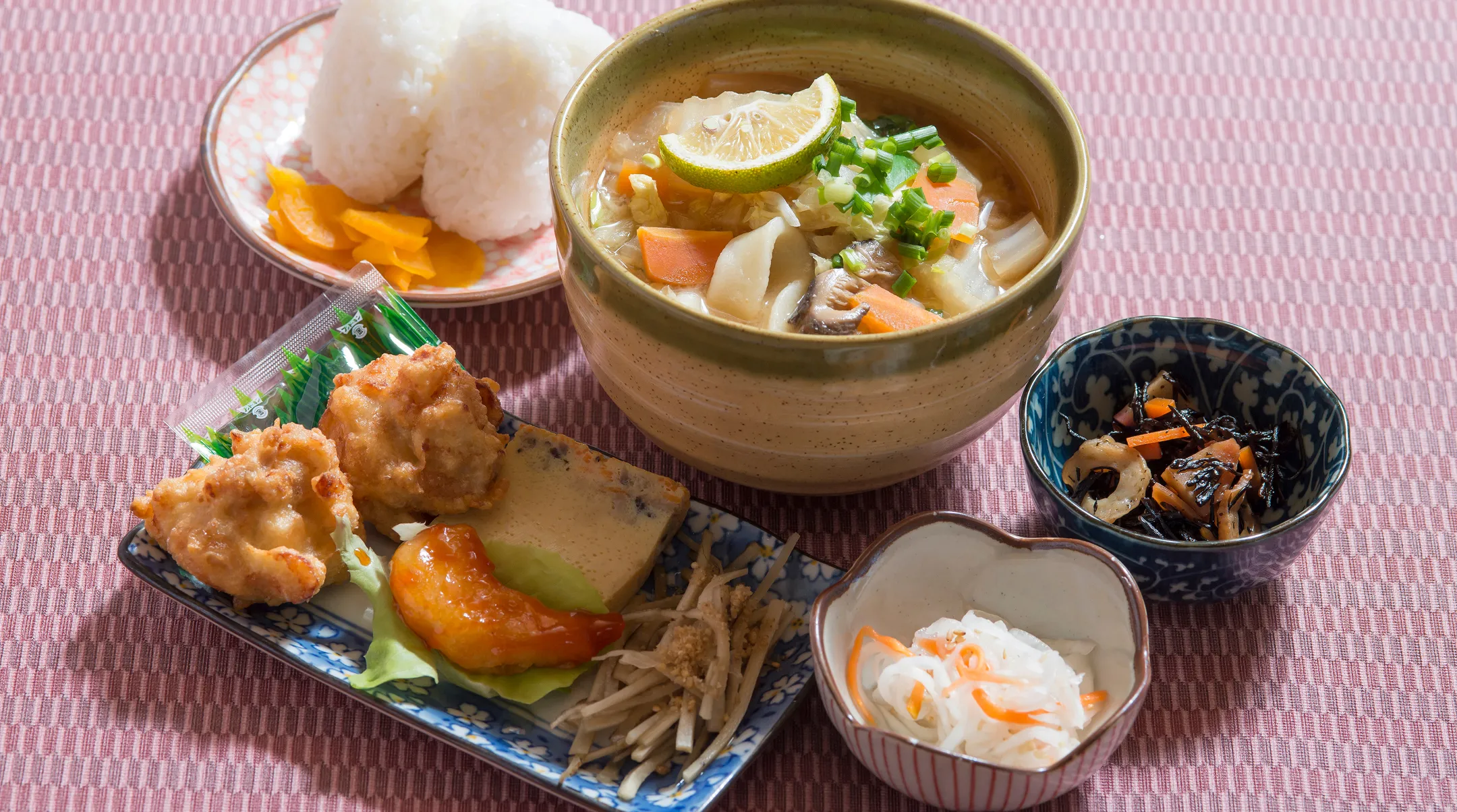
Encircled by the Seto Inland Sea, the Kunisaki Peninsula thrives on the bounty of its waters. Each community is celebrated for its own delicacy: Nakatsu for conger pike, Himeshima for its sweet Japanese tiger prawns, and Hiji for Shiroshita flounder. Fishing traditions remain central to local life, and many dishes can be enjoyed only here, prepared fresh from the day’s catch.
On land, Oita Prefecture has given Japan beloved comfort foods such as tori-ten (tempura-style chicken) and kara-age fried chicken, both staples that have spread nationwide. Yet perhaps the most distinctive culinary expression of the region lies in Beppu’s jigoku-mushi—“hell-steam cooking.” Using the natural steam of hot springs, locals have for centuries prepared vegetables, seafood, and meats in a way that infuses them with a delicate yet unmistakable flavor.
You can also share in the warmth of rural hospitality by joining locals in preparing traditional island dishes like imokiri on Himeshima or enjoying farmhouse cuisine in satoyama villages. These experiences offer more than taste—they connect travelers to a way of life shaped by the land and sea, where food is not just sustenance but a celebration of community and heritage.

Voices from Our Travelers
- “A perfect way to explore lesser-known areas of Kyushu. The staff are exceptionally friendly, and their English materials are full of useful cultural and travel information. Highly recommended for experiencing the authentic side of Japan!”
- ー Guest from Greece (30s, Male)
- “A unique and unforgettable experience on the Kunisaki Peninsula! From the organic shiitake farm and delicious farmer’s lunch to the warm hospitality of our hosts, everything was perfect. With the help of our wonderful guide Tomoko, we truly discovered the beauty and kindness of this hidden gem in Japan.”
- ー Guest from Singapore (50s, Female)
- “An excellent source of travel information and tours in the Toyonokuni area and Beppu! With English-speaking guides and customizable experiences — from shrines and Zen meditation to pottery and bay cruises — every moment was unforgettable. We’d love to book with them again on our next visit!”
- ー Guest from United States (40s, Female)